Why Beans Keep Their Shape in Some Dishes and Break Down in Others
Why beans keep their shape depends on cooking time, handling and their job in the dish; choose each deliberately for intact beans or a creamy finish.
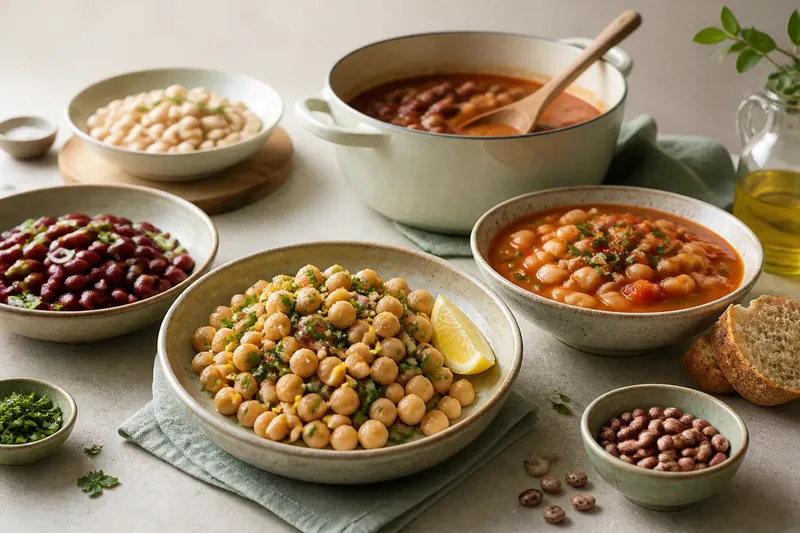
The quickest way to lose whole beans is to stir them hard while they are still firm and then keep cooking them until the sauce is ready. If you want to understand why beans keep their shape in one dish and break down in another, start by deciding what texture the meal needs, then match the bean’s cooking and handling to that job.
Beans are not all equally likely to split, and even a sturdy bean can soften into a creamy one if it spends long enough in hot liquid. The useful distinction is not simply “good” or “bad” cooking. It is whether the bean should remain a distinct bite, enrich the broth, or do both in the same pot.
What texture should the finished dish have?
Before choosing a pot or turning on the hob, picture the spoonful you want. A bean salad needs beans that lift cleanly and hold their outline; a thick soup can welcome beans that shed their skins and lend body to the liquid. A stew may sit between the two, with most beans intact and a few softened enough to make the sauce cling.
That decision changes what counts as done. For whole beans, aim for tender centres without waiting for every bean to become fragile. For a creamy pot, continue cooking until some beans yield readily when pressed against the side of the saucepan.
Choose the texture first; the cooking method follows.
Which beans are more likely to stay whole?
Bean type gives you a useful starting point, not a promise. Kidney beans, chickpeas and many larger white beans can keep a recognisable shape when cooked gently and stopped as they become tender. Smaller or delicate beans may soften sooner, particularly if they are old or have had a long cooking time.
Age and storage matter because dried beans gradually lose moisture during storage. Older beans may take longer to soften, and their skins can remain firm while the interiors are still cooking. If a pot contains beans at different stages of age or size, they may not finish together; sort out damaged or unusually shrivelled beans before cooking and check tenderness rather than relying only on the clock.
Canned beans arrive cooked, so their main risk is rough handling and prolonged simmering. They suit quick salads and short-cooked dishes, but can disintegrate if boiled vigorously in a sauce for an extended stretch. Rinse them if you want to remove the canning liquid, or retain some of it when its starchiness would help thicken the dish.
How should you cook dried beans for a whole texture?
Sort dried beans for stones, debris and visibly damaged pieces, then rinse them. Soaking can help beans cook more evenly by allowing them to take up water before they meet the heat. A long soak in the fridge is a convenient option; if you skip soaking, allow for a longer cooking time and check the pot regularly.
Put the beans in a roomy saucepan and cover them with fresh water. Bring the pot to a boil, then lower the heat so the liquid simmers gently rather than surging. Vigorous boiling knocks beans against one another and against the pan, loosening skins and splitting softened beans.
Keep the beans covered by liquid as they cook, adding hot water if the level drops. Start checking before you expect them to be done: lift a bean with a spoon, let it cool enough to handle, and bite it. For a salad or a dish that will cook again, stop when the centre is tender but still holds together; beans will continue to soften if they simmer in another pot of ingredients.
Add salt according to the recipe and your preference. It does not need to be withheld as a rule, though a strongly acidic liquid can slow softening. If tomatoes, vinegar or wine are central to the dish, cook the beans until nearly tender in plain water before adding the acidic ingredients.
When should beans go into the rest of the dish?
Timing is one of the clearest ways to control texture. If beans are meant to stay whole in a tomato stew, cook them separately until tender, then fold them into the finished sauce for a short simmer. If they are meant to enrich a soup, add them earlier so they have time to soften further and mingle with the broth.
Consider the other ingredients, too. A pot with quick-cooking greens, tender fish or delicate pasta may not need a long bean simmer. Cook the beans first, then bring them together with those ingredients near the end, rather than forcing everything to share one cooking schedule.
Say you have cooked chickpeas for a lemon-and-herb salad. Drain them while they are tender but firm, spread them briefly on a plate so they stop cooking in the hot pot, and dress them gently once cool. The expected result is a salad with chickpeas that remain distinct instead of turning into a mash beneath the herbs.
How do stirring and other ingredients change the result?
Use a wooden spoon or silicone spatula and move beans with a folding motion, especially once their skins have softened. Stirring is still useful for preventing food from catching, but repeated scraping and vigorous mixing can break beans that are already tender. If the pan is crowded, a gentle shake can redistribute ingredients without crushing them.
Acidic ingredients deserve deliberate timing because they can delay the softening of dried beans. Add tomato, citrus juice, vinegar or wine after the beans have begun to tenderise if you want a predictable, relatively short cook. In a recipe built around a long tomato braise, that slower softening may be part of the intended texture rather than a problem.
Salt and seasoning also affect how a dish tastes as it cooks, but they do not replace tenderness checks. Taste a bean from the centre of the pot: a few near the surface may soften sooner because they are exposed to more movement and heat.
How can you rescue beans that are too firm or too soft?
If the beans are still firm, keep cooking them gently in liquid and check again after a short interval. If they have been sitting in an acidic sauce and seem stubborn, lift them into a small pan of water to finish softening, then return them to the sauce. This is most useful when the sauce is ready but the beans are not.
If beans are already splitting, stop stirring and reduce the heat. For a dish that needs whole beans, use a slotted spoon to lift out the least damaged ones and fold them in at the end; let the broken beans thicken the sauce. If the whole pot has softened, lean into the texture by mashing a portion with the back of a spoon and serving it as a hearty soup or bean purée.
What questions help you choose the right bean texture?
Why are my beans still hard after a long simmer?
Older beans can take longer to soften, and acidic ingredients added early may extend cooking. Continue simmering them in water until tender, then season or add acidic ingredients; if they remain stubborn, check whether they were stored for a long time or cooked in unusually hard water.
Can I keep canned beans whole in a stew?
Yes: add them after the sauce has developed and simmer gently just long enough to warm them through. Fold rather than stir hard, and avoid leaving them in a rolling boil.
Should I drain the water from cooked beans?
Drain it when you want a cleaner, less starchy finish, as in many salads. Keep some cooking liquid for soups and stews, where it can help make the broth fuller; taste it first and add only as much as the dish needs.
Can I cook beans ahead without making them mushy?
Stop cooking when they are just tender, cool them promptly, and store them with enough cooking liquid to keep them from drying out. Reheat gently and add them late to any dish that needs intact beans.
How do you match the method to the meal?
For intact beans, cook gently, check early, handle lightly and add them late to dishes with delicate ingredients. For a creamy result, give the beans a longer simmer, stir only as needed and use their softened flesh to thicken the liquid. For a dish that needs both, hold back a portion of whole beans and mash the rest into the sauce.
Keep the bean’s intended role in view as you cook. That is the practical answer to why beans keep their shape: a tender bean stays whole when you stop at the right point and treat it gently, while time and movement can turn the same ingredient into the body of the dish.
If you are following a recipe, use its timing as a guide rather than a verdict; bean age, size and storage can change how quickly a pot softens. Taste one before serving, and adjust the final minutes to the texture you actually want.